India’s elephant-corridor debate has moved back into the courts. On 17 August 2026, the Supreme Court directed the Union government to conduct a fresh nationwide survey of elephant corridors and report on the steps being taken to prevent them from being blocked or obstructed.
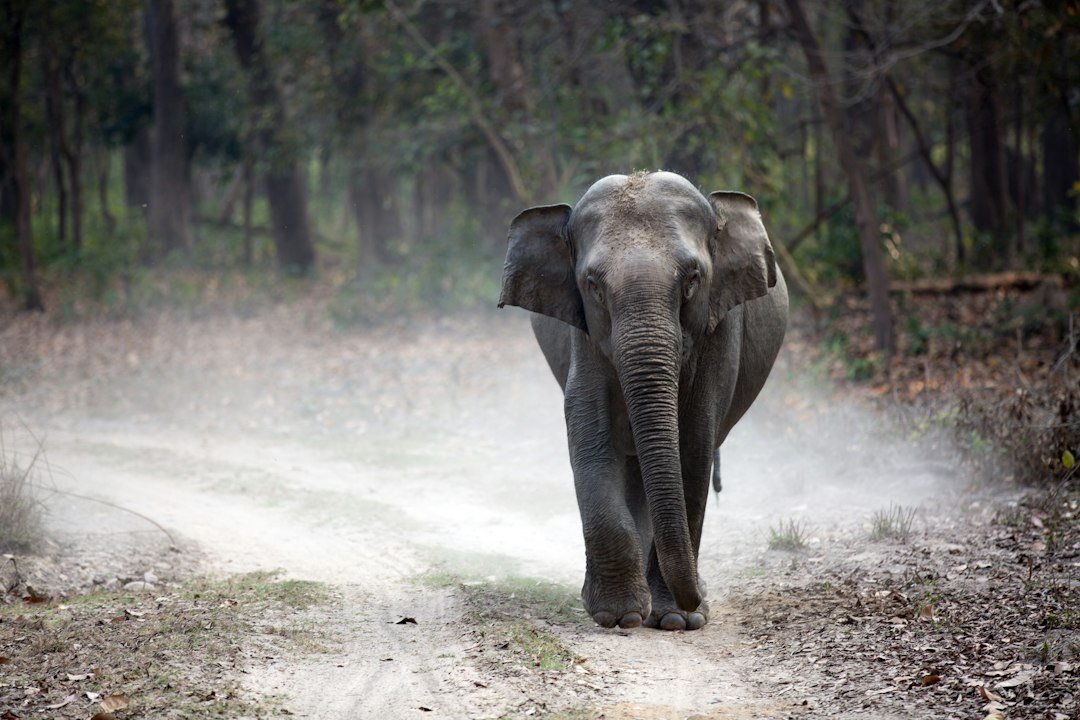
The order matters because corridors are not abstract conservation lines on a map. They are the movement routes elephants use between larger habitat blocks — often across farmland, settlements, roads and other human-dominated landscapes.
What the Supreme Court asked for
The Court directed the Ministry of Environment, Forest and Climate Change to carry out a fresh survey and submit a comprehensive status report on corridor obstructions and the measures being taken to prevent them.
It also asked the government to report on the use of coercive elephant-driving methods including fireballs, burning torches and so-called hulla parties. The matter was listed for further consideration on 14 October 2026.
Why this is not simply a “crop damage” issue
The bench made clear that crop damage cannot by itself justify blocking wildlife movement routes. That is an important distinction. Human-elephant conflict is real and can be severe, but sealing or obstructing movement routes can shift rather than solve the problem.
If elephants continue trying to move through a fragmented landscape, barriers may funnel them toward roads, settlements or narrower crossing points. Corridor protection therefore has to be considered alongside crop protection, compensation, early-warning systems, infrastructure design and land-use planning.
What the 2023 national corridor assessment already showed
The Wildlife Institute of India’s 2023 national assessment identified 150 elephant corridors across 15 states. Reporting on the 2026 court proceedings noted that 15 of those corridors were classified as impaired, while 29 were reported to be used with decreasing frequency.
Those figures are a reminder that a corridor can remain visible on a map while becoming progressively less functional on the ground.
Why a fresh survey matters
Elephant movement is not static. Roads expand, settlements grow, fencing appears, mines and industrial projects alter landscapes, and elephants themselves may change routes over time. A corridor inventory therefore has to be periodically re-checked in the field rather than treated as a permanent list.
The most useful outcome of the 2026 exercise would be not simply another count of corridors, but a clearer picture of where movement is being constrained and what specific interventions are realistic in each landscape.
The bigger conservation question
India’s elephant population cannot be conserved only inside protected areas. Many of the routes that keep larger landscapes connected run through places where people live and work.
That makes corridor conservation a coexistence problem as much as a wildlife problem: how to preserve enough permeability for elephant movement while reducing risk to communities living along those routes.
Sources
Mongabay India — Court orders survey of elephant corridors, seeks ban on fireball use
The Indian Express — States can’t block elephant corridors over crop damage: Supreme Court
LiveLaw — Supreme Court directs nationwide survey on elephant corridors