01
The Original Project
The people, fieldwork and expedition that gave the Elephant Ivory Project its name.
Explore the history →Preserving the history of the Elephant Ivory Project and building a research-led resource on elephant poaching, DNA forensics, the ivory trade and the conservation of Africa’s elephants.
The people, fieldwork and expedition that gave the Elephant Ivory Project its name.
Explore the history →How genetic evidence can help researchers trace ivory and understand elephant populations.
Learn about the science →Research and context around poaching, trafficking and the forces shaping the ivory trade.
Read the research →Understanding an extraordinary species and the rainforest ecosystems on which it depends.
Explore forest elephants →A field expedition in the Congo became part of a much larger forensic effort: building the DNA reference map used to trace seized ivory back toward source populations.
Trip Jennings and Andy Maser set out to collect fresh dung from elephant populations that were poorly represented in the existing DNA reference map.
Dr Samuel Wasser's team could compare DNA from seized ivory against geographically known reference samples to estimate where poached elephants had come from.
With John and Terese Hart and local field teams, the expedition moved through the TL2 and Lomami landscapes before finally finding viable samples.
Conservation storytelling, ivory trafficking and forensic DNA mapping begin to converge.
The expedition heads into central Congo with collection vials and GPS equipment.
Fresh dung samples are finally collected from elephant trails near the Lomami River.
The project's history is preserved here alongside the science that followed.
Beyond the original project, ElephantIvoryProject.org is becoming a deeper resource on how elephants live, how scientists study them, and what their conservation actually requires.
Families, communication, memory, movement and feeding.
Explore behavior → 02Field methods, long-term studies, GPS tracking, acoustics and population surveys.
Explore research → 03Habitat, corridors, conflict, anti-poaching, drought and population recovery.
Explore conservation → 04How to see wild elephants without losing sight of welfare, habitat and conservation.
Explore responsible travel →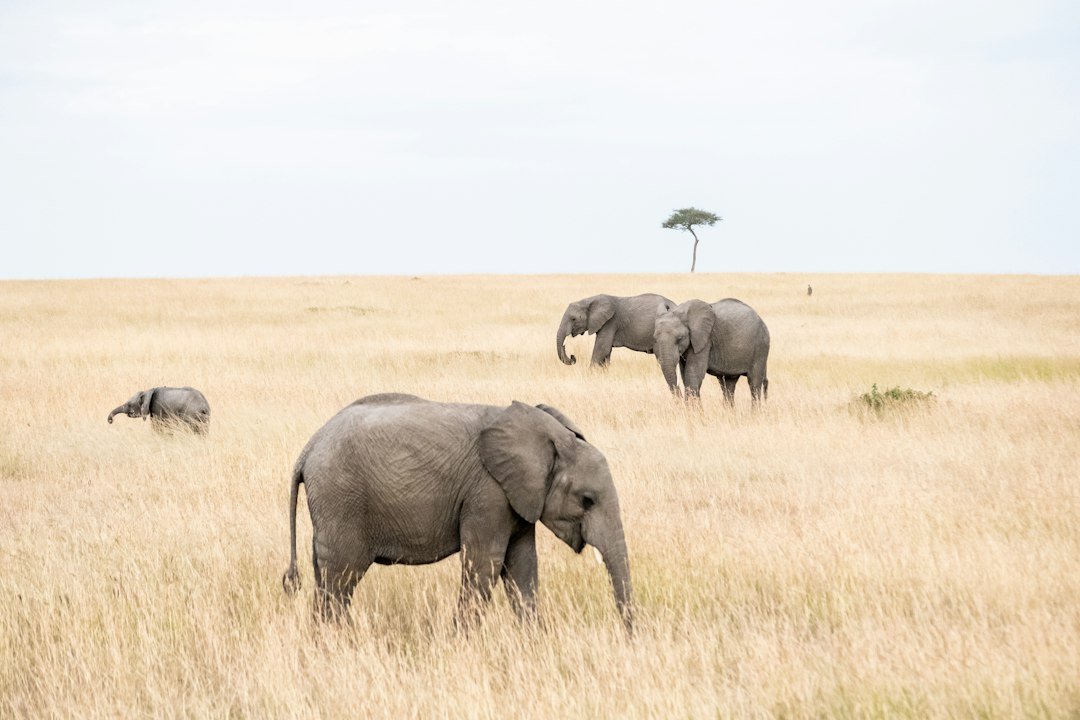
A continent-wide genomic study is showing how connectivity, decline and isolation have left different signatures across African elephant populations.
Read the research note →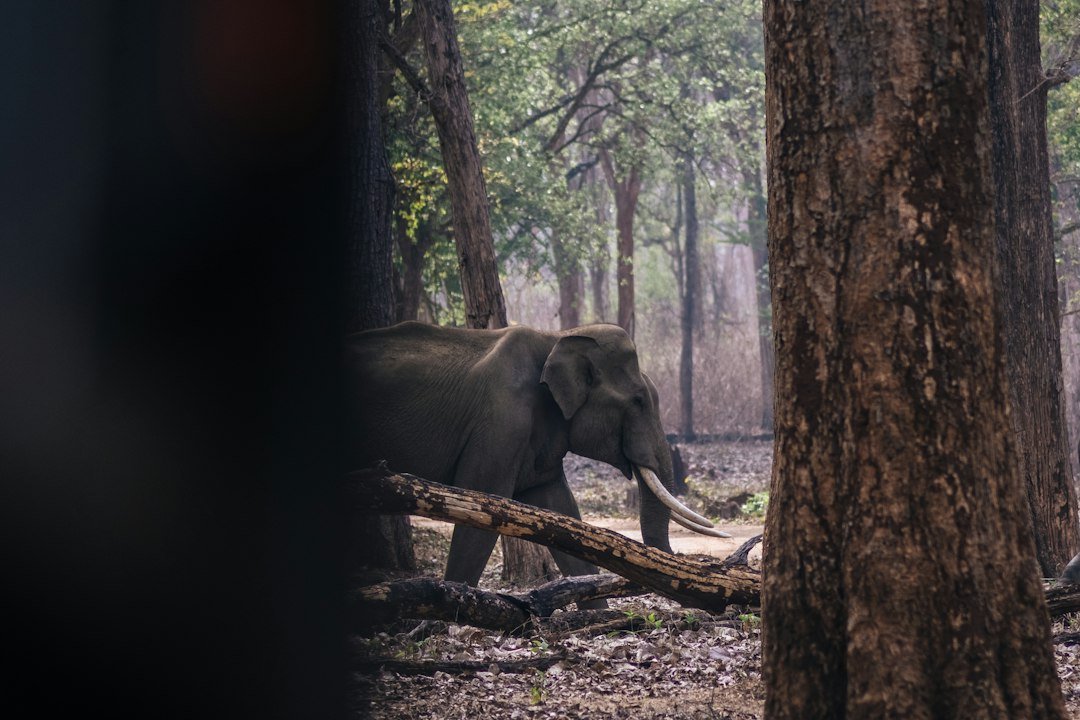
New DNA-based methods have produced a clearer forest-elephant estimate. The important story is better counting, not instant recovery.
Read the analysis →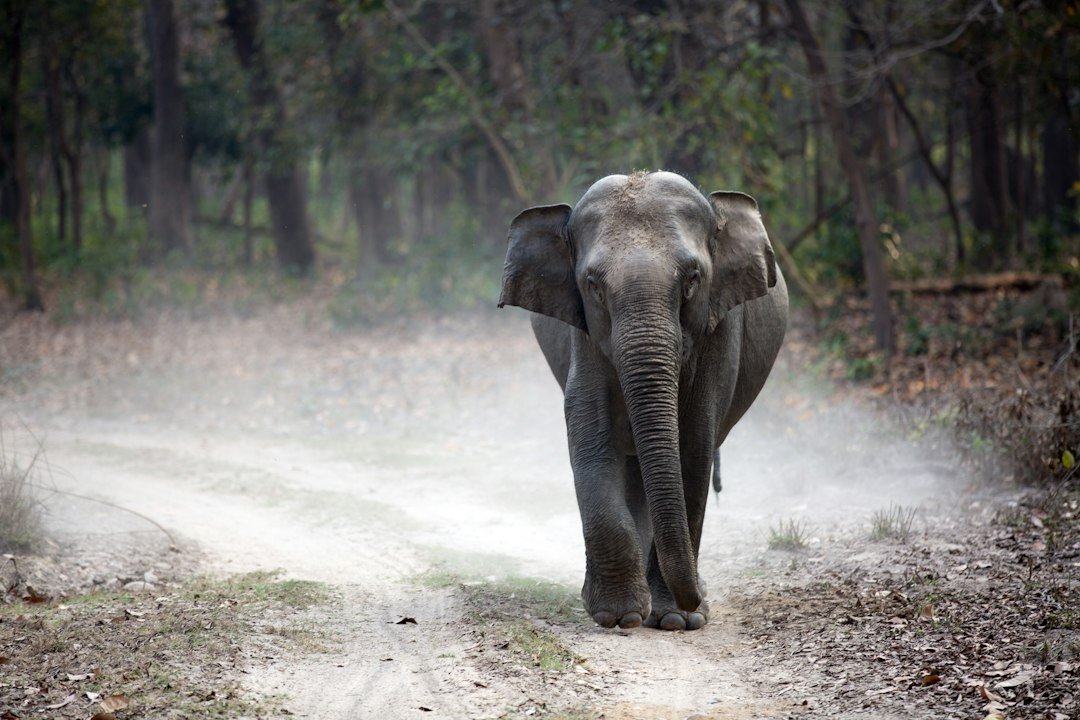
New Indian reports show that human-elephant conflict is concentrated in particular landscapes and seasons rather than spread evenly across elephant range.
Read the field note →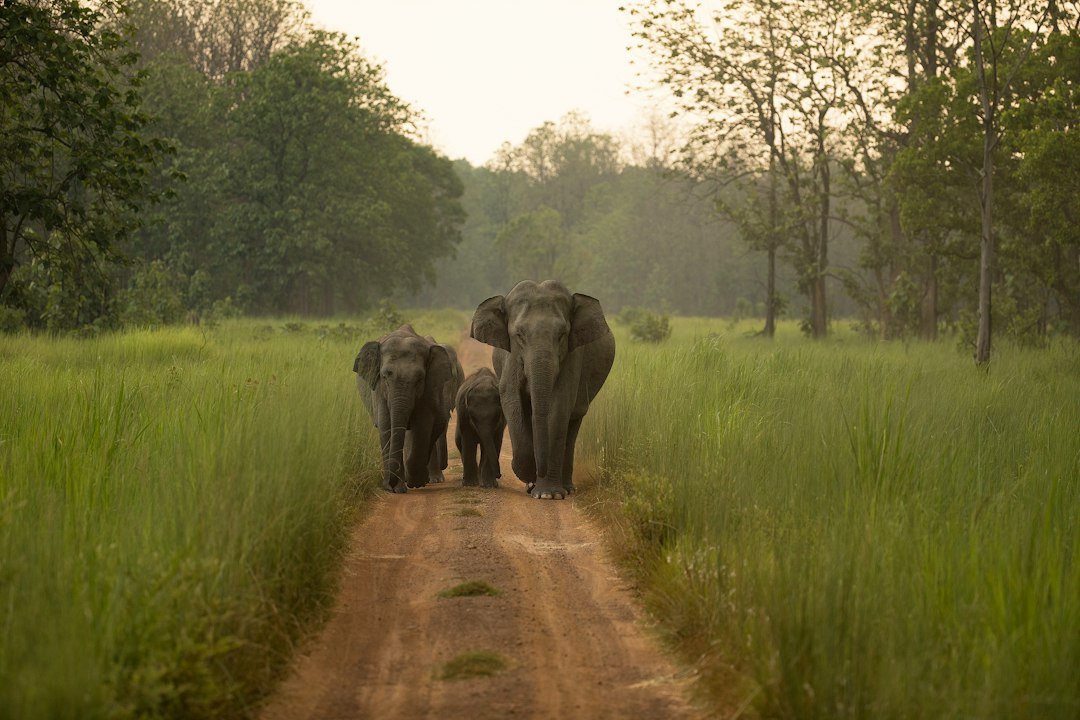
A new Arunachal Pradesh record may be the highest documented presence of Asian elephants — and raises questions about changing movement and future conflict.
Read the field note →The site will follow the threads that connect forensic research, habitat protection, anti-trafficking work and responsible wildlife tourism.
Genetic research, ivory tracing and population data.
Poaching, trafficking, habitat and conservation responses.
How tourism can observe wildlife without losing sight of conservation.