Elephant conservation is not one problem. It combines habitat protection, movement, poaching, human-elephant conflict, climate pressure, infrastructure and the social structure of long-lived animals.
The challenge is made harder by scale. Elephants need large landscapes, cross political boundaries and often spend substantial time outside formal protected areas.
Conservation begins with space
Elephants are wide-ranging animals.
They move between food, water, seasonal ranges and social opportunities, and many populations use landscapes much larger than the protected areas most closely associated with them.
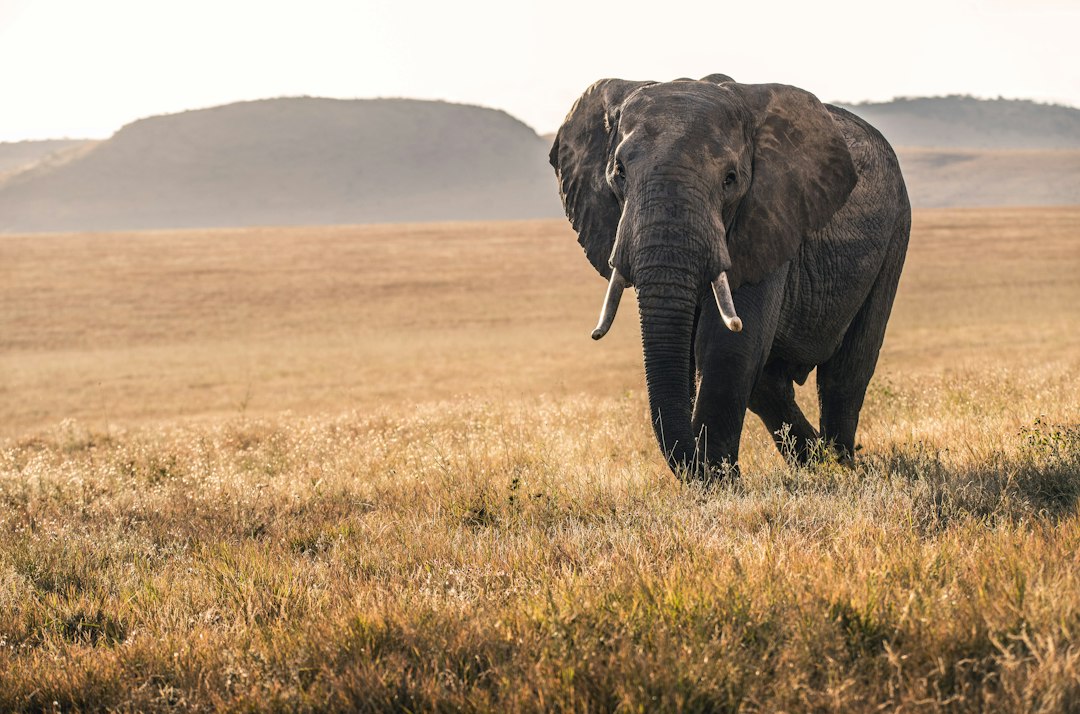
Why protected areas are not enough
A national park can secure critical habitat without containing an elephant’s entire range.
Animals may leave to reach water, seasonal forage or neighbouring populations.
That makes land outside protected areas central to conservation.
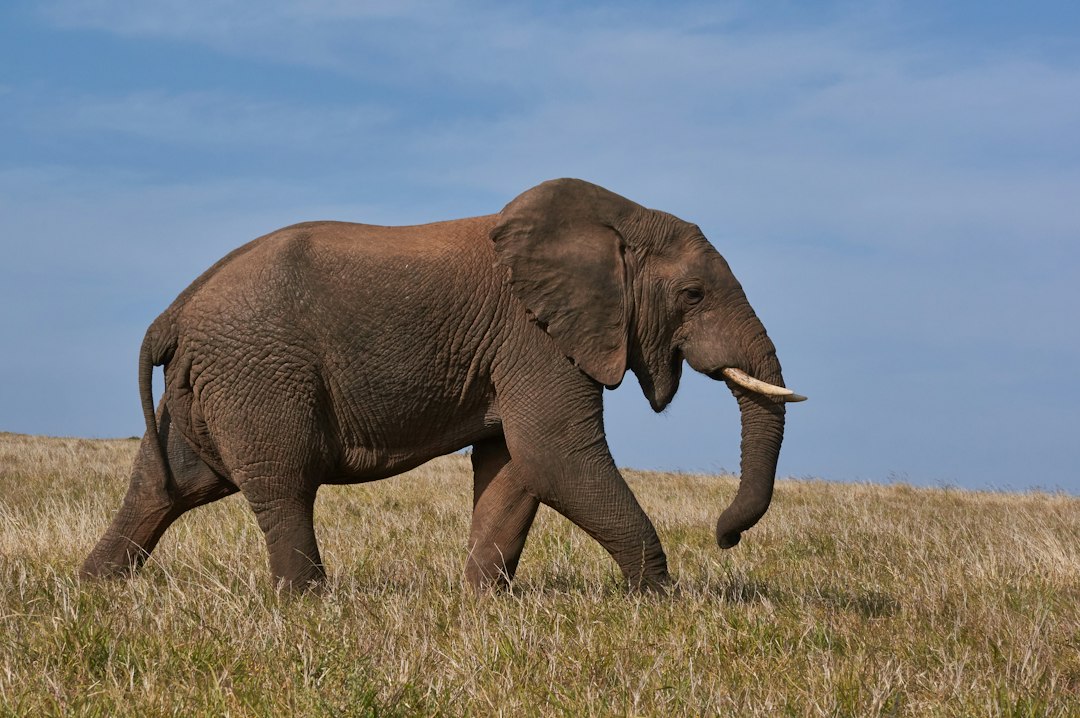
Corridors
Corridors connect larger habitat blocks.
When routes narrow or disappear, elephants may be forced through farms, settlements or infrastructure.
Maintaining connectivity is therefore both a habitat and coexistence issue.
Why corridor bottlenecks matter
A broad landscape connection can depend on one narrow passage.
One road, fence or settlement expansion can therefore disconnect habitat far larger than the physical footprint of the development itself.
Human-elephant conflict
Conflict occurs when elephant movement overlaps with crops, homes, roads and people.
Crop loss, property damage, injuries and deaths create real costs for communities.
Retaliatory killing, electrocution and other mortality affect elephants in return.
Coexistence is not zero conflict
Realistic coexistence means keeping conflict at levels people can tolerate while allowing elephants enough space to survive and move.
No technology can guarantee a completely conflict-free landscape.
Why hotspot mapping matters
Conflict is rarely distributed evenly.
Repeated incidents often cluster around corridor bottlenecks, crop areas, railways or settlement edges.
Targeting those hotspots can be more effective than applying one intervention everywhere.
Early warning
Warning systems can use local networks, GPS collars, watchtowers, messaging groups or fixed sensors.
The goal is simple: give people enough time to avoid a dangerous encounter.
The system works only if alerts are timely and someone knows how to respond.
Infrastructure
Roads, railways, canals and fences can fragment habitat and create collision risk.
The key question is not simply whether infrastructure exists, but whether elephants can cross it safely and repeatedly.
Railways
Rail collisions are a serious issue in parts of India and elsewhere.
Mitigation can include speed restrictions, detection systems, fencing, underpasses and targeted management of known crossings.
Roads
Roads may alter crossing times, increase mortality or create behavioural avoidance.
A road that appears minor on a map can become a significant barrier if traffic is fast or continuous.
Poaching
Ivory poaching remains one of the most visible elephant conservation threats.
Its impact is selective: large tusks and older age can make some animals more vulnerable than others.
The consequences therefore extend beyond raw population loss.
Why age structure matters
Older females can carry decades of social and ecological knowledge.
Older bulls influence male social structure and reproductive competition.
Selective loss can change how a population functions even if total numbers remain substantial.
Anti-poaching systems
Patrols are only one layer.
Effective protection also depends on intelligence, community relationships, forensic evidence, prosecutions, financial investigation and demand reduction.
Genetic forensics
DNA from seized ivory can be compared with geographic reference samples to estimate source regions.
This helps enforcement move upstream from interception points toward landscapes where elephants are actually being killed.
Why trafficking networks matter
Poachers, brokers, transporters, exporters and buyers can be separate actors.
Disrupting the network is therefore more important than counting arrests alone.
Population monitoring
Managers need to know whether populations are rising, stable or declining.
Methods vary by habitat and include aerial surveys, dung counts, genetics, camera traps and other approaches.
Numbers are only one metric
A population can be numerically large while becoming fragmented, genetically isolated or socially disrupted.
Good monitoring therefore includes age structure, reproduction, movement, mortality and connectivity.
Long-term studies
Elephants live for decades.
Short studies can miss the effects of drought, poaching, ageing and social reorganisation.
Long-term individual records are especially valuable for understanding these slow processes.
Climate and drought
Drought can reduce forage, increase travel, concentrate elephants around water and raise conflict pressure.
Heat can alter activity timing and increase physiological stress.
Climate change matters because it can increase the frequency or overlap of these extremes.
Connectivity as climate resilience
Elephants cope with variable conditions partly by moving.
If drought makes one area unsuitable, connected landscapes give them alternatives.
Fragmentation removes that flexibility.
Water management
Artificial water can help in some constrained landscapes but also concentrate elephants and increase vegetation pressure.
Water provision is therefore a management intervention with ecological trade-offs, not an automatically beneficial action.
Forest elephants
African forest elephants face very different conservation conditions from savanna elephants.
Dense canopy makes counting and protection difficult, and populations recover slowly after heavy poaching.
Genetics and acoustic monitoring are especially important in these systems.
Savanna elephants
Open habitats make direct monitoring easier but expose elephants to different pressures such as water concentration, roads and expanding agriculture.
Some savanna populations are large and recovering while others remain under serious pressure.
Asian elephants
Asian elephant conservation in India is especially shaped by fragmentation and close overlap with human land use.
In India and elsewhere, elephants frequently move through plantations, villages and transport corridors.
Community participation
People living with elephants bear costs that distant conservation supporters do not.
Long-term protection depends on credible compensation, rapid response, local involvement and real economic or social benefit.
Why trust matters
Conservation programmes work better when communities believe authorities will respond fairly and quickly.
Trust is not a soft extra. It influences reporting, tolerance and cooperation.
Tourism
Wildlife tourism can create economic value for elephant landscapes.
But vehicle crowding, forced proximity and poor guiding can also disturb animals.
Responsible tourism should leave elephants free to move and behave normally.
Captive-elephant welfare
Captive welfare is distinct from wild-population conservation but remains part of the broader elephant debate.
Housing, movement, social contact, handling and tourism practices all influence welfare.
Research technology
GPS collars, drones, acoustics, camera traps, DNA and satellite imagery all expand what researchers can measure.
Technology is most useful when it answers a clear management question.
Why technology is not a substitute for institutions
Data do not enforce laws, maintain corridors or compensate farmers by themselves.
Strong conservation still depends on competent agencies, field teams and long-term funding.
What successful elephant conservation looks like
Success is more than population growth.
It means elephants retain functional landscapes, normal age structure, viable social systems and enough space to respond to environmental change.
Why local success can hide regional failure
A well-protected reserve may thrive while neighbouring populations decline.
Conservation therefore needs both site-level and landscape-level monitoring.
Why the next generation matters
Elephant conservation works on long timescales.
A calf born today may still be alive decades from now, living with the consequences of roads, corridors and management decisions made now.
Why elephant conservation has to protect processes, not just animals
A healthy elephant population depends on more than survival. It needs movement between seasonal habitats, functioning social structure, reproduction, gene flow and access to water and forage.
Conservation therefore has to protect the ecological processes that allow elephants to remain elephants.
Why recovery can create new pressures
When populations recover after heavy poaching, conflict and vegetation pressure can increase if the surrounding landscape has become more fragmented in the meantime.
Success can therefore expose a second challenge: whether enough connected space still exists to support the recovering population.
Why transboundary management matters
Elephants routinely cross national and administrative borders.
One side may have strong protection while the other has different land use, enforcement or infrastructure.
Conservation planning is strongest when those jurisdictions share movement data, mortality information and corridor priorities.
Why conservation goals need measurable outcomes
Useful plans specify what success should look like: lower illegal mortality, safer crossings, maintained corridor use, improved response times, stable calf survival or reduced conflict in defined hotspots.
Without measurable outcomes, activity can be mistaken for progress.
Why elephant conservation is ultimately long-term governance
Elephants live for decades. Roads, dams, settlements and policy decisions can affect them for just as long.
That means conservation success depends on institutions capable of maintaining protection, monitoring and landscape planning across funding cycles and political change.
Why conservation priorities differ between landscapes
A forest-elephant stronghold, a crowded Asian-elephant corridor and a recovering savanna population may all need very different interventions.
One may require anti-poaching and access control, another railway mitigation and coexistence planning, and another management of water and tourism pressure.
Why population growth can be a misleading endpoint
More elephants can be good news while still masking fragmentation, conflict or social imbalance.
Managers need to ask whether elephants are reproducing normally, moving safely and retaining access to enough connected habitat.
Why conservation finance matters
Long-term elephant protection requires stable funding for rangers, monitoring, conflict response, infrastructure mitigation and community programmes.
Short project cycles can support experiments, but core protection systems have to remain functional year after year.
Why local knowledge should influence conservation design
People living in elephant landscapes often understand seasonal routes, water use and conflict patterns in ways that remote planners do not.
Combining that knowledge with scientific monitoring usually produces stronger and more practical interventions.
Why monitoring should influence management quickly
Data have little conservation value if they sit in reports for years without changing decisions.
Tracking, mortality and conflict information should feed directly into corridor protection, patrol deployment and infrastructure mitigation.
Why prevention usually has the highest return
Keeping a corridor open, an old matriarch alive or a trafficking route disrupted early is usually easier than rebuilding what is lost later.
Elephant conservation therefore benefits from acting before decline becomes obvious.
Explore elephant conservation
Human-Elephant Conflict → — scheduled for 1 December 2026
Elephant Corridors → — scheduled for 13 October 2026
Anti-Poaching and Elephant Protection → — scheduled for 2 March 2027
How Poaching Changes Elephant Societies → — scheduled for 26 February 2027
Elephants, Drought and Climate → — scheduled for 26 March 2027