“Elephant sanctuary” is one of the most overused phrases in wildlife tourism. It can describe a genuine rescue facility focused on long-term care, but it can also be used as a marketing label for a place where elephants are ridden, bathed, fed on command or kept primarily for visitor interaction.
In India, the useful question is not whether a facility calls itself a sanctuary. It is what the elephants’ daily lives actually look like.
What should a genuine sanctuary prioritise?
A welfare-focused facility should place the elephant’s needs ahead of the visitor experience.
That generally means:
- adequate space
- social contact with other elephants where appropriate
- regular movement and exercise
- appropriate food and water
- veterinary care
- shade, bathing and skin care
- minimal coercive handling
- limited or no forced tourist interaction
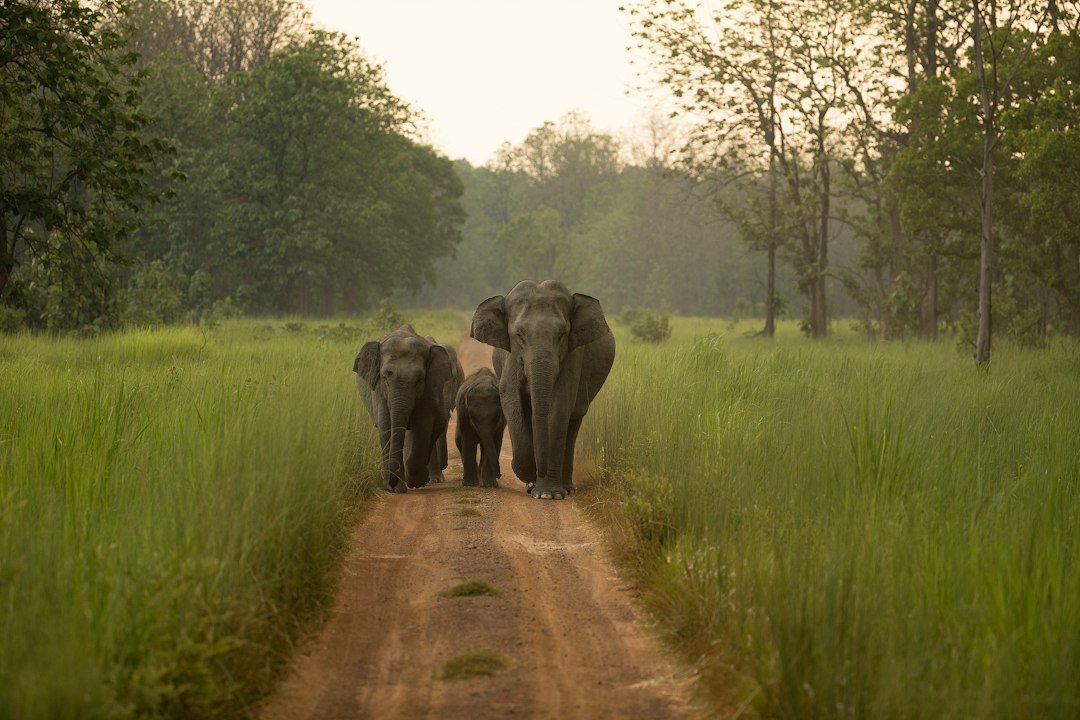
Why the word “sanctuary” proves very little
The term is not a universal welfare certification.
A facility may use it because the word sounds ethical, not because it follows one recognised international standard.
Travellers therefore need to look past branding.
Rescue centre versus tourism attraction
A genuine rescue centre exists because elephants need care.
A tourism attraction may exist primarily because visitors want contact.
The difference becomes clearer when you ask whether the operation could still justify the elephants’ presence if tourist rides, bathing and feeding were removed.
Why captive elephants are in these facilities
Elephants may arrive from logging, begging, temples, tourism operations, circuses, conflict situations or government custody.
Some have chronic injuries or behavioural problems linked to long-term captivity.
That means welfare improvement may be gradual rather than perfect.
Space matters
Elephants are large, mobile animals.
Even in captivity they need room to walk, forage and choose distance from people or other elephants.
A facility that keeps animals chained or confined for long periods should raise concern regardless of branding.
Social life matters too
Elephants are highly social, but simply placing unfamiliar animals together is not always safe.
Good management considers compatibility, sex, age, history and temperament.
Where possible, elephants should have meaningful social contact rather than spending most of their lives isolated.
Chains are not a simple yes-or-no issue
Some captive-elephant management systems still use chains for restraint, veterinary treatment or safety.
The welfare question is how often, how long and under what conditions restraint is used.
Permanent or prolonged chaining is very different from short-term controlled restraint for a specific reason.
Rides
Elephant rides are one of the clearest signs that visitor entertainment remains central to the facility.
A ride requires the elephant to carry people on command and follow a controlled route.
For travellers seeking a welfare-led experience, that is very different from observing an elephant choosing how to move.
Bathing experiences
Bathing is often marketed as a natural, ethical alternative to riding.
But elephants do not naturally line up on command so tourists can scrub them.
If the activity depends on repeated positioning and close contact, the visitor experience is still driving the interaction.
Feeding on command
Hand-feeding can look harmless.
In small amounts it may not be a major welfare problem, but repeated visitor feeding can shape elephant behaviour, create crowding and turn food into the main control mechanism.
Ask how much of the animal’s day revolves around tourist contact.
Photo posing
An elephant repeatedly positioned for photographs is being managed for human convenience.
The more scripted the interaction, the less meaningful the claim that the animal is simply “free to choose.”
Positive reinforcement training
Modern elephant management increasingly uses protected contact and reward-based training for veterinary procedures.
This can reduce the need for force while allowing foot care, injections and examinations.
Good welfare facilities should be able to explain their handling system clearly.
Veterinary care
Captive elephants need specialist care because foot problems, arthritis, obesity and chronic injuries can develop over years.
A credible facility should have a structured veterinary programme rather than relying only on emergency treatment.
Foot health
Foot problems are a major welfare issue in captive elephants.
Hard surfaces, limited movement and poor trimming can contribute to cracks, abscesses and joint stress.
Regular walking on varied natural substrate is important.
Diet
Elephants evolved to spend much of the day feeding and moving.
Captive diets that rely heavily on high-calorie treats or concentrate food can create health problems.
Browse, grasses and opportunities to forage naturally are preferable to a routine dominated by visitor snacks.
Enrichment
Food puzzles, varied browse, changing routes, mud, water and social opportunities can all improve captive life.
Enrichment should not be treated as decoration. It helps compensate for the absence of the constantly changing environment a wild elephant would normally experience.
Mahouts and handlers
Elephant welfare cannot be separated from handler welfare.
Mahouts need training, stable employment, safety systems and realistic workloads.
Poorly paid or unsupported staff are unlikely to produce consistently good outcomes for elephants.
Government and zoo standards
India’s Central Zoo Authority publishes guidelines relevant to elephant management in recognised zoological settings.
Standards cover housing, care, veterinary management and other aspects of captivity.
Travellers should still remember that legal compliance and best possible welfare are not always the same threshold.
2026: why close-contact tourism is under greater scrutiny
A fatal tourist incident at Dubare Elephant Camp in Karnataka in 2026 drew attention to the risks of close-contact elephant tourism after two captive elephants fought during a bathing session and one fell on a visitor.
The incident led to official scrutiny of visitor-safety procedures.
Animal-welfare groups also renewed calls for restrictions on close-contact activities.
Safety and welfare overlap
An elephant large enough to injure another elephant is obviously large enough to injure a person.
Tourism systems that place visitors within touching distance depend heavily on control, predictability and handler intervention.
That creates risk for both humans and animals.
Does “no riding” mean ethical?
No.
A facility can remove rides while still offering bathing, forced feeding, posing or constant close interaction.
Look at the whole management system.
Does “rescued” mean welfare is automatically good?
No.
An elephant may genuinely have been rescued from poor conditions and still live in a facility with limitations.
Rescue history explains why the animal is there; it does not answer every question about current care.
What should travellers ask?
- Do elephants carry tourists?
- Are visitors encouraged to bathe or touch them?
- How much of the day are elephants restrained?
- Can elephants choose to move away from visitors?
- Do they have social companions?
- How far do they walk daily?
- What veterinary programme exists?
- How are handlers trained?
- Is breeding part of the operation?
- Where did the elephants come from?
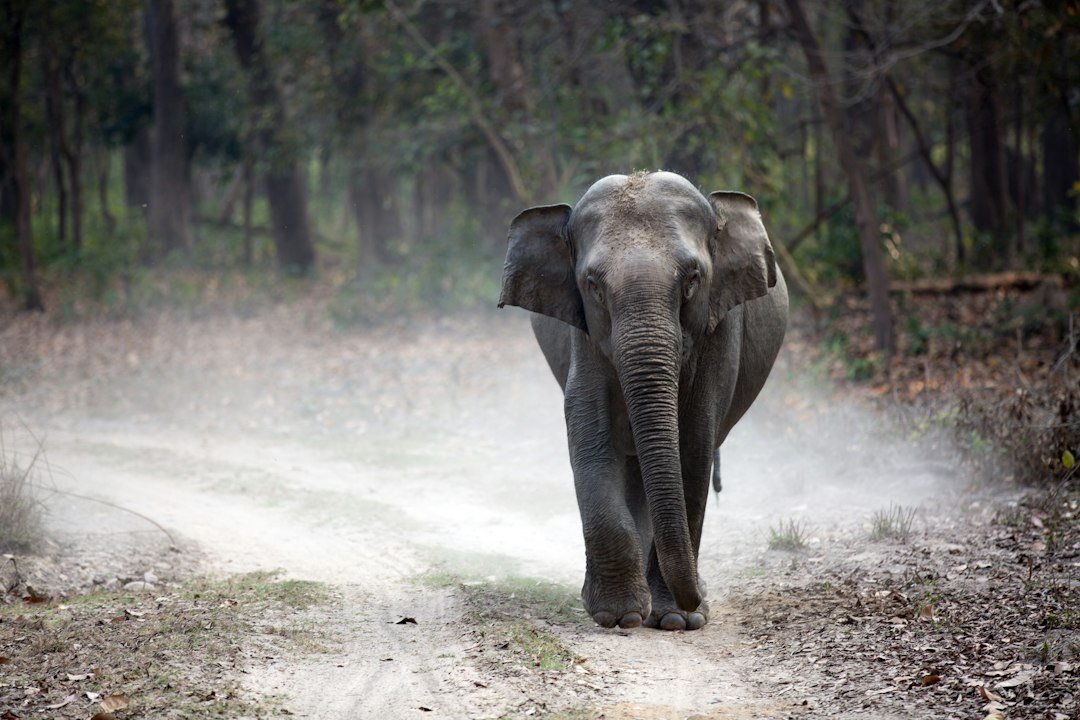
If you want to see elephants in India, consider the wild first
If your goal is to understand elephant behaviour, wild viewing is usually the better experience.
A free-ranging elephant chooses where to feed, when to move and whom to associate with.
That autonomy cannot be reproduced by a tourist interaction, however polished the marketing.
When captive viewing can still be worthwhile
A genuine rescue or lifetime-care facility can be educational when observation is passive and the welfare story is explained honestly.
The visitor should be learning about the elephant’s recovery and management, not using the elephant as an activity.
The simplest test
Ask whether the experience still works if touching is removed.
If the answer is yes, the facility may be offering observation and education.
If the entire product collapses without rides, bathing, feeding or posing, then the tourism interaction is probably still central.
Why transparency matters more than branding
A credible facility should be able to explain where each elephant came from, how it is managed, what veterinary care it receives and what happens outside visitor hours.
Vague rescue stories and emotional marketing are not substitutes for verifiable husbandry information.
Why visitor access should be a secondary consideration
If tourist expectations dictate when elephants eat, bathe, move or rest, the visitor experience is shaping the animal’s day.
A welfare-led facility should be willing to limit access when an elephant needs privacy, treatment or simply time away from people.
What an ethical visit should feel like
The experience may actually feel less interactive than conventional elephant tourism.
That is often a good sign. Observation, explanation and distance can tell a traveller more about elephant welfare than touching, bathing or feeding ever will.
Why welfare claims should be independently checkable
A facility that presents itself as rescue-led should be able to provide basic information about elephant origin, veterinary care, restraint practices and daily management.
Independent inspection, transparent records and clear welfare protocols are more meaningful than promotional language.
Why lifetime care is a long commitment
Elephants can live for decades, which means rescue creates a responsibility that may outlast the original staff, donors or tourism model.
Good facilities need financially sustainable plans for long-term food, land, staffing and medical care.
Why breeding deserves scrutiny
A facility focused on rescue and lifetime care should be able to explain why breeding occurs, if it does.
Producing additional captive elephants can create future welfare obligations rather than solving the original rescue problem.
Why sanctuary assessment should include behaviour
Physical condition is important, but behaviour can reveal whether elephants have meaningful choice and social opportunity.
Repetitive swaying, prolonged isolation or constant anticipation of tourist feeding may indicate management problems even when the facility appears clean and well funded.
Why enclosure size is not the only welfare measure
A large property can still offer poor welfare if elephants are restricted to a small portion of it or kept on unsuitable surfaces.
Travellers should ask how much space elephants actually use during a normal day.
Why retirement should mean reduced demands
Older or medically compromised elephants should not be kept performing visitor activities simply because tourism revenue depends on them.
A welfare-led facility should be able to reduce public access as an animal ages or its health changes.
Related reading
Where to See Wild Elephants in India — scheduled for 17 November 2026.
Responsible Elephant Tourism →
Elephant Safari in India — scheduled for 30 March 2027.
Sources
Central Zoo Authority — Guidelines for management of zoos
Indian Express — Dubare Elephant Camp incident and official response