Musth is one of the most misunderstood parts of elephant biology. It is often reduced to “male aggression,” but that description misses what musth actually is: a normal reproductive state in mature male elephants, driven by major hormonal changes and accompanied by distinctive physical, behavioural and social signals.
For anyone watching elephants in the wild, understanding musth changes the way a bull is read. A male walking with his head high, temporal glands streaming and urine dribbling continuously is not simply “angry.” He is in a physiological state that affects how he moves, which elephants he seeks, how other bulls respond to him and how much attention he pays to receptive females.
What is musth?
Musth is a periodic reproductive condition in male elephants. It is associated with elevated androgen levels, especially testosterone, and is most obvious in sexually mature bulls.
The state is recognised by a combination of signs rather than one symptom alone:
- swelling and secretion from the temporal glands
- continuous or intermittent urine dribbling
- a characteristic gait and posture
- strong changes in scent
- increased interest in females
- changes in interactions with rival males
These features develop gradually and can vary in intensity. A bull does not switch instantly from “normal” to “musth.”
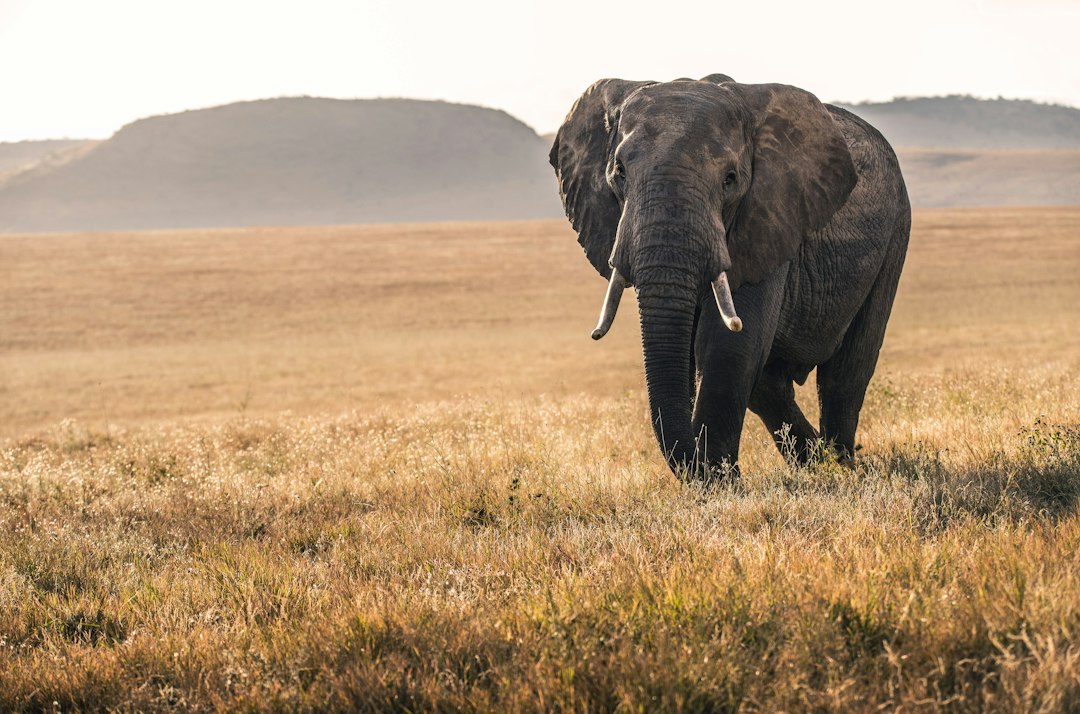
Where does the word come from?
The English term comes from South Asian usage associated historically with male elephants in this condition. The concept was recognised long before modern endocrinology explained the hormonal changes involved.
That history matters because captive-elephant traditions in Asia documented musth behaviour centuries before formal zoological studies began.
What happens hormonally?
Studies of African and Asian elephants have shown substantial increases in circulating testosterone during musth. The precise hormone profile differs by individual, age and stage of musth, but the overall pattern is clear: the reproductive system enters a dramatically heightened state.
That hormonal shift helps explain why musth influences sexual behaviour, dominance interactions and movement.
The temporal gland
Elephants have temporal glands located between the eye and ear. During musth, these glands can swell and produce a dark, strong-smelling secretion that runs down the side of the face.
Temporal-gland secretion is one of the most visible signs of musth, but it should not be used in isolation. Elephants can show some gland activity outside full musth.
Urine dribbling
Another classic sign is urine dribbling. In a bull in established musth, urine may leak almost continuously and wet the hind legs.
This creates a strong odour and may leave staining on the legs. Together with temporal-gland secretion, posture and behaviour, it makes a mature musth bull relatively easy for experienced observers to recognise.
Does musth mean the bull is dangerous?
A musth bull deserves more space and more careful reading, but “dangerous” is too crude a label.
Musth increases reproductive motivation and can intensify competition with other males. Bulls may be more assertive and less tolerant of interference. That does not mean they attack everything around them.
Most wild musth bulls spend large amounts of time walking, feeding, scent-checking, following females and assessing other males.
Why the aggression myth persists
Part of the problem comes from captive-elephant history. A bull in musth confined in a small space or managed through close human contact can be difficult and dangerous to handle.
That management reality was often generalised into the idea that musth itself is a form of madness.
In free-ranging elephants, the state is better understood as a normal phase of male reproductive biology.
Musth and dominance
Musth changes the balance between males. A bull in musth can outrank a non-musth bull that might otherwise be physically similar or even larger.
Other males often recognise musth cues and adjust their behaviour accordingly. Direct fights can therefore be avoided because the signals are clear enough to settle many contests before escalation.
Older bulls usually have stronger musth
Young males may show short or irregular musth episodes. As bulls mature, musth generally becomes more regular, longer and physiologically stronger.
Older bulls often spend more time in full musth and can become especially successful competitors for access to receptive females.
Why age matters
Elephant reproduction is not simply a contest of body size. Timing matters.
A mature bull entering musth at the right moment may travel widely in search of oestrous females. His reproductive success depends on a combination of age, condition, experience, dominance and whether he encounters receptive females.
How long does musth last?
There is no universal duration. Musth can last days, weeks or longer depending on the individual and his age.
In mature bulls, strong musth periods may persist for weeks. Younger males often show shorter episodes.
The timing can also vary seasonally between populations.
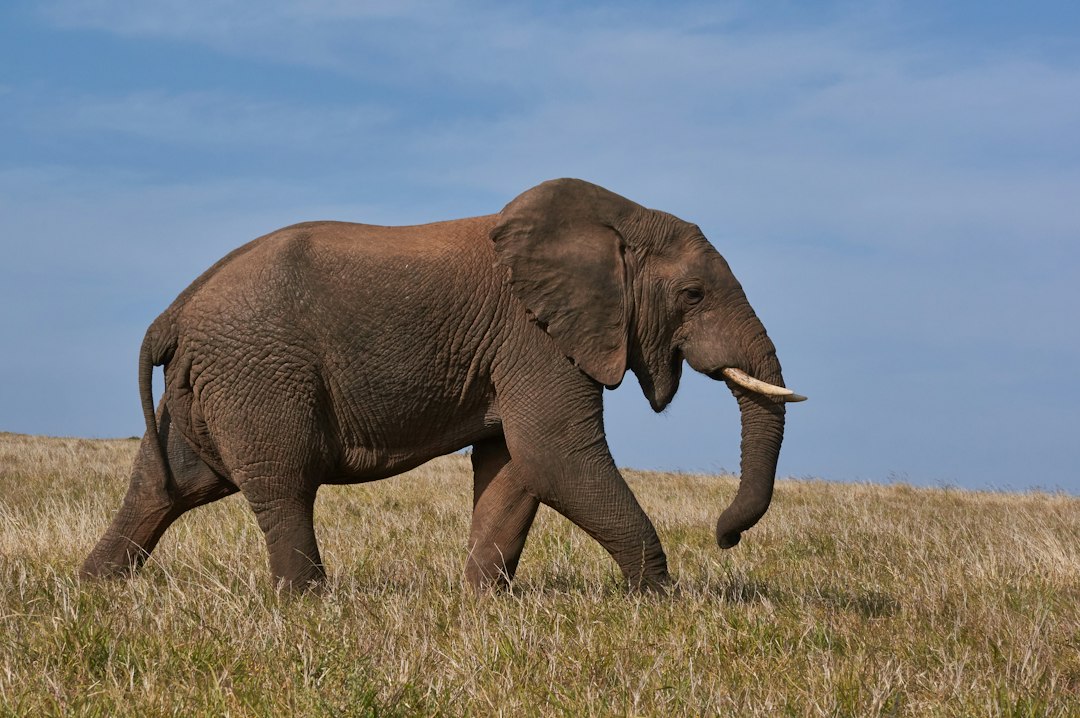
Musth and movement
Bulls often increase movement during musth. They may leave familiar feeding areas and travel long distances while searching for females.
GPS tracking has shown that male elephant movement can change markedly with reproductive state. A bull that normally uses a relatively stable area can become much more mobile during musth.
How bulls find females
Elephants have an extraordinary sense of smell. Bulls investigate urine, dung and genital secretions, often using the trunk and flehmen-like behaviours to assess reproductive condition.
A musth bull is especially attentive to these cues.
Do females prefer musth males?
Research in African elephants suggests that mature musth bulls can have an advantage in reproductive competition and may be preferred or better able to guard receptive females.
The important point is that musth is not merely about male-male conflict. It is part of a broader reproductive strategy.
What happens when musth bulls meet?
Encounters can involve scent assessment, posture, displacement, following and occasionally physical confrontation.
Because musth is itself a signal, a weaker male can often avoid an unnecessary fight by yielding early.
That signalling system reduces the need for constant violent competition.
Musth in Asian elephants
Asian elephant bulls also experience musth, with many of the same core signs: temporal-gland secretion, urine dribbling, hormonal elevation and behavioural change.
Captive-elephant management in South Asia has generated extensive practical knowledge of musth because adult males under close human management require additional precautions during these periods.
Musth in African elephants
In African elephants, long-term field studies have allowed researchers to follow known bulls across repeated musth cycles.
This has made it possible to connect reproductive state with movement, dominance, mating and age.
The role of older bulls
Older males can have an important social influence on younger bulls. Research in populations where mature bulls were removed has suggested that the absence of older males can contribute to abnormal behaviour among younger males.
That does not mean older bulls “teach” musth in a simple way. It means elephant male society is more socially structured than the old image of solitary bulls suggested.
Why musth matters for conservation
Selective poaching often removes large, mature and heavily tusked bulls — exactly the animals most likely to play a major reproductive role.
Losing those males can alter age structure and potentially change social dynamics among younger bulls.
Protecting elephant populations therefore means protecting mature males as well as family groups.
Musth and tourism
A musth bull should be given space. Responsible guides recognise the signs and avoid crowding, blocking or provoking the animal.
The correct response is not panic. It is distance, patience and an understanding that the elephant is operating under strong reproductive motivation.
What should observers look for?
No single sign is decisive, but the classic combination is:
- dark temporal-gland secretion
- wet hind legs from urine dribbling
- a strong odour
- purposeful long-distance walking
- heightened interest in females
- different responses from other bulls
What musth is not
Musth is not insanity. It is not a disease. It is not proof that a bull is about to attack.
It is a normal reproductive state that becomes stronger and more regular as males mature.
Why this matters in the field
The better we understand musth, the less likely we are to misread an elephant.
A wild bull walking with confidence, gland secretion and urine dribbling is not behaving strangely. He is expressing one of the most important phases of adult male elephant biology.
Why musth timing differs between bulls
Age, body condition, social status and local seasonality can all influence when a bull enters musth and how long the state lasts.
This is why two mature males in the same population may show very different reproductive schedules.
Why musth is useful to other elephants
The physical and chemical signals of musth reduce uncertainty. Other bulls can assess a rival before escalating, while females can detect a male’s reproductive state.
Clear signalling may therefore reduce unnecessary conflict even though musth is associated with stronger competition.
How researchers study musth
Long-term field teams combine visual signs, behaviour, hormone measurements and individual histories.
Following the same bull across multiple years is especially valuable because it reveals how musth changes with age.
Why musth observations benefit from repeated individual histories
A single sighting can show that a bull is in musth. Years of records can show how his musth changes with age, duration and timing.
That long-term context is what allows researchers to connect reproductive state with dominance and mating success.
Why musth affects space use
A mature bull may expand his range or move more purposefully while searching for females.
That means musth can temporarily change which roads, corridors or community lands he uses.
Why observers should avoid anthropomorphic labels
Describing a musth bull as “angry” or “crazy” obscures the biological signals being displayed.
Reading hormone-driven reproductive behaviour accurately leads to better science and safer field decisions.
Why musth matters for population structure
Because strong musth is associated with mature bulls, the presence of older males influences reproductive competition in ways younger populations may not replicate.
Protecting mature bulls therefore preserves both individual animals and a normal component of elephant reproductive society.
Related reading
Elephant Intelligence → — scheduled for 27 October 2026
Elephant Family Groups → — scheduled for 5 January 2027
GPS Collars and Elephant Tracking → — scheduled for 19 February 2027
Sources
Poole — Rutting behaviour in African elephants
Hall-Martin & van der Walt — Plasma testosterone and musth in African elephants
Brown et al. — Reproductive hormones and musth in Asian elephants